When most people think about dental hygiene, their minds instantly drift to sparkling white teeth and cavity prevention. Brushing twice a day becomes an ingrained habit, often performed on autopilot while rushing through a busy morning or winding down at night. Yet, focusing exclusively on your teeth overlooks half the equation. The soft pink tissues framing your smile, known as your gums, are the vital anchor system keeping everything securely in place. Neglecting gum health opens the door to silent, progressive inflammatory conditions that threaten more than just your dental integrity. Understanding how to care for your gums requires looking far beyond standard toothbrush bristles and adopting a comprehensive daily maintenance routine.
The Hidden Anatomy and Function of Your Gums
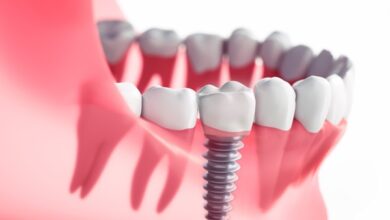
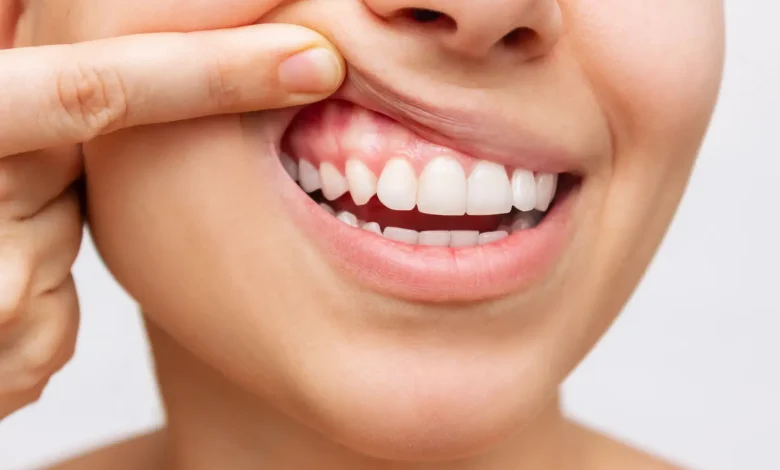
Your gums, medically referred to as gingiva, consist of thick mucosal tissue that seals tightly around the base of your teeth, protecting delicate underlying bone structures and tooth roots from bacterial invasion. Healthy gums are firm, pale pink, and securely attached. When this seal breaks down, bacteria slip beneath the gumline, triggering a cascade of inflammatory responses that can quietly compromise your entire body.
-
The Protective Seal: Healthy gum tissue acts as a physical barrier, preventing food particles and pathogenic bacteria from reaching the jawbone and bloodstream.
-
Vascular Sensitivity: Gums contain a dense network of blood vessels, which is why inflammation in this tissue quickly transmits inflammatory markers throughout your entire circulatory system.
-
The Silent Onset: Gum disease often develops without pain in its early stages, allowing minor irritation to escalate into severe tissue damage before individuals notice any symptoms.
Recognizing the Early Stages of Gum Disease
The progression from optimal gum health to advanced periodontal disease happens in distinct stages. Recognizing the earliest warning signs is the single most effective way to reverse damage before it becomes permanent.
-
Gingivitis Manifestation: The earliest stage is gingivitis, characterized by gums that appear red, swollen, and prone to bleeding during brushing or flossing.
-
Reversibility Factor: Unlike advanced periodontitis, gingivitis is entirely reversible with improved daily hygiene habits and a professional dental cleaning.
-
Periodontitis Progression: If left untreated, gingivitis progresses into periodontitis, where the inner gums and bone pull away from the teeth, forming pockets that collect debris and destroy supporting bone structure.
Mastering Interdental Cleaning Beyond the Toothbrush
Traditional toothbrushes are marvelous inventions, but their bristles are physically incapable of reaching the tight spaces wedged directly between your teeth. Plaque accumulates rapidly in these dark crevices, making interdental cleaning a non-negotiable daily requirement.
-
The Flossing Essential: Daily flossing disrupts bacterial colonies before they can calcify into hard tartar, which requires professional dental tools to remove.
-
Water Flosser Benefits: Water flossers use pulsating streams of water to flush out food particles and massage gum tissues, serving as an excellent alternative or supplement for those with tight contacts or dental work.
-
Interdental Brushes: Tiny cone-shaped brushes designed for wider gaps between teeth offer superior plaque removal compared to standard string floss when sized correctly by a dental professional.
The Powerful Role of Nutrition in Gum Resilience
Topical care is only part of the solution. The cellular structure of your gums relies heavily on the building blocks you consume through your daily diet to repair tissue and fight off infection.
-
Vitamin C Power: Vitamin C is essential for collagen synthesis, the primary protein that keeps gum tissue strong and resilient; deficiencies can lead to spongy, bleeding gums.
-
Calcium and Phosphorus: These minerals work synergistically to support the jawbone, providing a solid foundation that prevents teeth from loosening.
-
Limiting Sugars: Sticky, highly processed sugars feed harmful oral bacteria that produce acid and drive localized gum inflammation, making whole foods a better choice for dental health.
Habits That Secretly Damage Your Gums
Many everyday routines and lifestyle choices sabotage gum health without people realizing it. Identifying these hidden hazards helps you protect your soft tissues from unnecessary strain.
-
Aggressive Brushing: Scrubbing your teeth back and forth with a hard-bristled toothbrush does not clean better; it actually wears away enamel and causes gum recession, exposing sensitive roots.
-
Smoking and Vaping: Nicotine restricts blood vessels in the gums, cutting off oxygen and vital nutrients while masking the bleeding that serves as an early warning sign of gum disease.
-
Chronic Teeth Grinding: Clenching or grinding your teeth places excessive mechanical stress on the supporting bone and gum tissues, accelerating periodontal wear and tear.
Integrating Tongue Scraping and Mouthwash
Comprehensive oral care involves balancing the entire oral microbiome, not just cleaning the teeth and gums in isolation. Incorporating supportive cleansing habits elevates your daily regimen.
-
Tongue Microbes: The surface of the tongue harbors millions of bacteria that migrate to the gums and teeth, making daily tongue scraping an effective way to lower overall bacterial load.
-
Antimicrobial Rinses: Using an alcohol-free therapeutic mouthwash helps reach areas missed by brushing and flossing, reducing plaque bacteria without drying out delicate oral mucosa.
-
Saliva Stimulation: Staying hydrated and chewing sugar-free gum stimulates saliva flow, which naturally neutralizes acids and washes away harmful debris throughout the day.
Establishing a Sustainable Long-Term Routine
Consistency is the ultimate key to maintaining healthy gums for a lifetime. Building a sustainable routine prevents burnout and ensures your soft tissues remain resilient against age-related wear.
-
Professional Checkups: Visiting your dentist every six months allows for the removal of stubborn hardened tartar that home tools cannot eliminate, alongside early screenings for periodontal pockets.
-
Mindful Technique: Slow down during your routine, focusing on a gentle 45-degree angle when brushing along the gumline to massage tissue rather than abrasive scrubbing.
-
Holistic Perspective: Treat your oral care routine as an act of whole-body self-care, recognizing that healthy gums contribute directly to systemic vitality and daily confidence.
Frequently Asked Questions
Why do my gums bleed when I start flossing again?
Bleeding when you first resume flossing is typically a sign of existing inflammation caused by accumulated plaque sitting undisturbed between the teeth. As you floss daily and remove the bacteria, the bleeding and inflammation usually subside within a week or two.
Can receding gums grow back naturally on their own?
Once gum tissue has receded and the underlying root is exposed, it cannot naturally regenerate or grow back on its own. Surgical gum grafts performed by periodontists are often required to restore lost tissue in severe cases.
How often should I replace my toothbrush or electric toothbrush head?
You should replace your manual toothbrush or electric toothbrush head every three to four months, or sooner if the bristles become frayed or splayed. Frayed bristles lose their structural integrity and fail to effectively remove plaque.
Are natural oils like coconut oil pulling effective for gum health?
Oil pulling can help reduce certain oral bacteria and freshen breath as a supplemental practice, but it cannot replace mechanical plaque removal methods like brushing and interdental cleaning.
Can mouth piercings cause permanent damage to the gums?
Yes, lip and tongue piercings frequently rub against the gumline during speaking and eating, causing localized irritation, enamel chipping, and accelerated gum recession around the lower front teeth.
What role does genetics play in developing gum disease?
Genetics can influence your body’s inflammatory response and susceptibility to periodontal disease, meaning some individuals are genetically predisposed to more aggressive tissue breakdown even with decent hygiene habits.