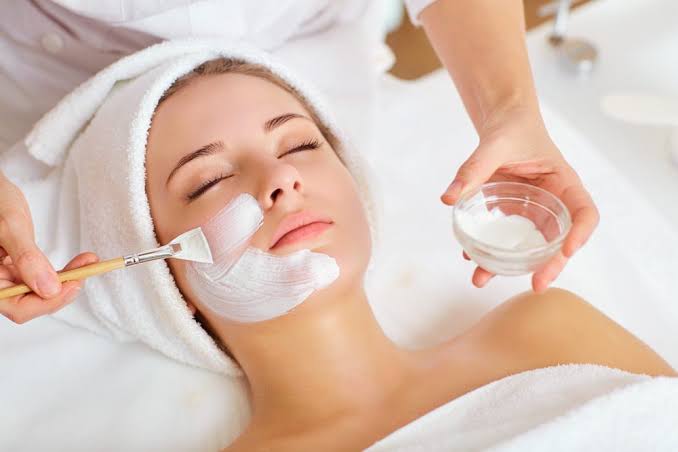
Dealing with active breakouts is frustrating enough, but the physical reminders left behind can linger for years. Acne scars alter the actual texture and architecture of the skin, making over-the-counter creams and basic moisturizers largely ineffective for deep structural damage. When looking for genuine improvement, navigating the vast array of dermatology procedures can feel overwhelming. Understanding which techniques target specific scar types is the first step toward achieving smooth, lasting skin renewal.
Decoding Your Scar Morphology
Before investing time and money into any procedure, identifying your specific scar type dictates the entire treatment plan. Dermatologists generally divide acne scars into two main categories: atrophic (depressed) and hypertrophic (raised). Atrophic scars occur when the skin loses tissue during the healing process, whereas raised scars result from an overproduction of collagen.
-
Ice Pick Scars: Narrow, deep pits that extend far down into the dermis, resembling small puncture holes.
-
Boxcar Scars: Broad depressions with sharply defined, steep vertical edges, similar to chickenpox scars.
-
Rolling Scars: Wide, shallow depressions with sloped edges that give the skin an uneven, wave-like texture.
-
Hypertrophic Scars: Firm, raised bumps that stay within the boundary of the original wound, common on the jawline and chest.
Energy-Based Laser Resurfacing
Laser technology remains one of the gold standards in modern dermatology for completely transforming scarred skin textures. These devices use concentrated light energy to target damaged tissue, triggering a powerful healing response that generates fresh collagen and elastin fibers.
Ablative Lasers
Ablative lasers, such as carbon dioxide or erbium YAG lasers, remove the outer layers of damaged skin entirely. While this aggressive approach requires a significant recovery period of one to two weeks, the dramatic improvement in deep boxcar and rolling scars makes the downtime worthwhile for many patients. As the treated skin heals, a fresh, tighter, and significantly smoother surface emerges.
Non-Ablative Lasers
Non-ablative lasers heat the underlying dermis without destroying the top layer of skin. This method stimulates collagen production underneath the surface with minimal downtime. While recovery is faster, patients usually require a series of multiple treatment sessions to see substantial, cumulative results compared to ablative alternatives.
Collagen Induction Through Microneedling
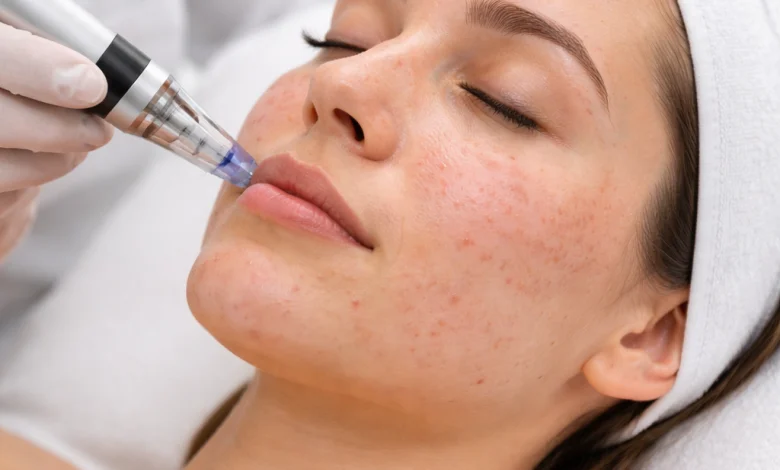
For individuals seeking a procedure with less downtime, microneedling offers an effective alternative for managing atrophic scars. Also known as collagen induction therapy, this technique utilizes fine needles to create controlled micro-injuries across the treatment area. These microscopic punctures activate the body’s natural wound-healing cascade, prompting fibroblasts to synthesize new structural proteins.
Modern clinics frequently enhance standard microneedling by combining it with radiofrequency energy. Radiofrequency microneedling delivers thermal heat deep into the dermis via the needles, tightening surrounding tissue while maximizing collagen remodeling. This combination approach proves exceptionally useful for treating stubborn rolling and shallow boxcar scars across various skin tones safely.
Subcision and Dermal Fillers for Tethered Scars
Some depressed scars are anchored firmly to the underlying subcutaneous tissue by fibrous bands, creating a shadowed, pitted look. Laser resurfacing alone often fails to fix these tethered formations because the scar tissue remains pulled downward.
Subcision
During subcision, a dermatologist inserts a specialized needle beneath the scar to sever these restrictive fibrous strands. Releasing the tether allows the skin to pop back up toward the surface level.
Dermal Fillers
To maintain the newly elevated position, practitioners frequently pair subcision with temporary or semi-permanent dermal fillers. Injecting hyaluronic acid or biostimulatory fillers directly beneath the defect adds immediate volume while encouraging long-term tissue support.
Chemical Reconstructions and Professional Peels
Chemical approaches vary drastically depending on the depth of the treatment and the formulation used. Standard light chemical peels primarily address surface discoloration and very shallow textural irregularities. However, deeper techniques are required for structural scars.
The CROSS technique, which stands for chemical reconstruction of skin scars, involves applying high-concentration trichloroacetic acid directly into deep ice pick scars using a fine toothpick. This localized chemical wound stimulates intense collagen synthesis right at the base of the narrow pit, gradually leveling the depression over several sessions.
Multimodal Combination Therapy
Clinical studies and real-world dermatology practices consistently show that relying on a single treatment type often yields limited success for complex skin damage. Because most individuals have a mix of ice pick, rolling, and boxcar scars, top specialists utilize customized combination therapy. Alternating microneedling with fractional lasers, or pairing subcision with chemical peels, addresses different layers of the skin simultaneously to maximize final visual improvements.
Frequently Asked Questions
Can acne scars disappear completely on their own without medical intervention?
True structural scars involve permanent changes to collagen and tissue architecture. While post-inflammatory hypermentation or faint red marks fade naturally over several months, indented or raised physical scars require clinical intervention to remodel the underlying skin.
Are professional acne scar treatments safe for darker skin tones?
Yes, but provider selection is critical. Certain aggressive lasers carry a high risk of post-inflammatory hyperpigmentation in melanin-rich skin. Dermatologists often favor radiofrequency microneedling, specific chemical peels, or non-ablative devices to minimize pigment risks safely.
How long do the results from acne scar procedures typically last?
Results achieved through collagen-remodeling procedures like lasers, microneedling, and subcision are generally permanent because they build new, structural tissue. However, natural chronological aging will continue to affect skin elasticity over the years.
Do acne scar treatments hurt during the procedure?
Most clinical procedures involve some level of discomfort. Practitioners routinely apply strong topical numbing creams or local anesthetics before beginning laser resurfacing, subcision, or microneedling to ensure the process remains manageable.
Can I undergo acne scar treatment while I still experience active breakouts?
Dermatologists generally prefer to bring active, severe inflammatory acne under control before treating scars. Treating inflamed cystic lesions with resurfacing tools can spread bacteria and worsen irritation, though mild treatments can sometimes overlap.
What is the typical financial investment required for these procedures?
Cost varies wildly based on geographic location, the specific technology utilized, and the number of sessions required. Because insurance companies classify scar revision as cosmetic, patients pay out of pocket, making an initial consultation essential for a clear financial estimate.