Understanding Yoga Beyond Physical Exercise
Yoga is a holistic practice that connects the body, breath, and mind. While many people begin yoga for flexibility or fitness, its deeper purpose is balance—both physical and mental. Rooted in ancient tradition, yoga has evolved into a practical wellness tool for modern life.
Regular practice supports strength, clarity, and emotional stability, making it suitable for people of all ages and fitness levels.
Core Elements of Yoga Practice
Yoga works through the integration of movement, breath, and awareness.
Key Components of Yoga
- Asanas (postures): Build strength, flexibility, and alignment
- Pranayama (breathing): Regulates energy and calms the nervous system
- Meditation: Improves focus and mental clarity
- Relaxation: Supports recovery and stress reduction
Together, these elements create a balanced and mindful practice.
Physical Benefits of Practicing Yoga
Yoga strengthens the body without strain and improves overall mobility.
How Yoga Supports Physical Health
- Enhances flexibility and joint health
- Builds functional strength
- Improves posture and balance
- Supports circulation and digestion
Consistent practice helps the body move more efficiently and comfortably.
Mental and Emotional Benefits of Yoga
Yoga is equally powerful for mental well-being. Breath awareness and movement create a calming effect on the mind.
Mental Health Benefits
- Reduces stress and anxiety
- Improves concentration
- Encourages emotional balance
- Supports better sleep quality
Many practitioners notice improved mood and resilience with regular sessions.
Popular Types of Yoga Styles
Different yoga styles suit different goals and energy levels.
Common Yoga Styles
- Hatha Yoga: Slow-paced and beginner-friendly
- Vinyasa Yoga: Flow-based and dynamic
- Ashtanga Yoga: Structured and physically demanding
- Yin Yoga: Deep stretches and relaxation
- Restorative Yoga: Gentle poses focused on recovery
Choosing the right style helps maintain consistency and enjoyment.

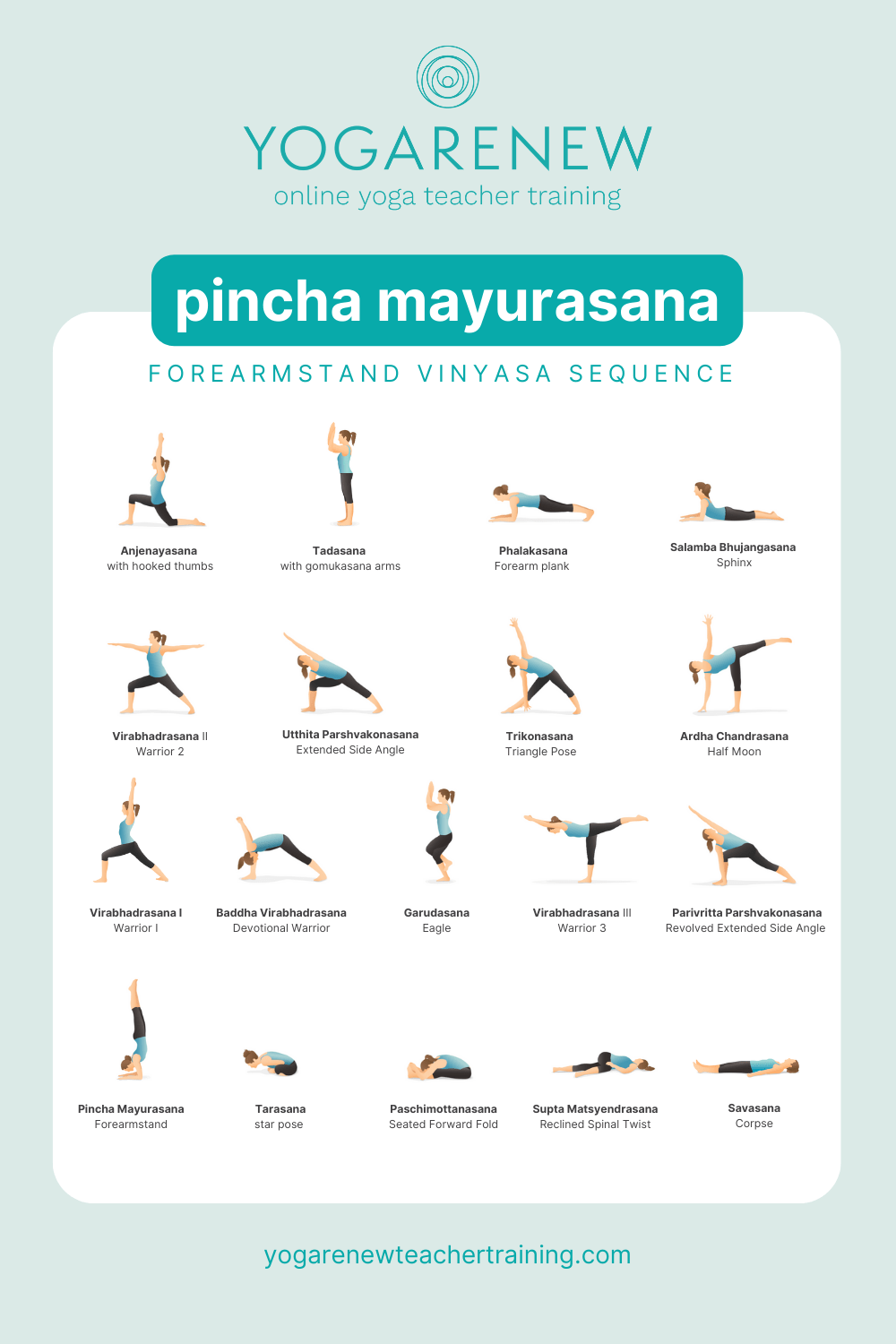

Yoga as a Lifestyle Practice
Yoga extends beyond the mat into daily life. Its principles encourage mindfulness, balance, and self-awareness.
Applying Yoga Off the Mat
- Practicing mindful breathing during stress
- Maintaining body awareness throughout the day
- Making conscious lifestyle choices
- Cultivating patience and self-discipline
These practices enhance overall quality of life.
Getting Started with Yoga Safely
Yoga is adaptable, but starting mindfully prevents discomfort or injury.
Beginner-Friendly Tips
- Start with basic poses
- Focus on proper alignment
- Avoid forcing flexibility
- Practice consistently rather than intensely
Listening to your body is essential for sustainable progress.
Frequently Asked Questions (FAQs)
1. How often should yoga be practiced for benefits?
Practicing 2–4 times per week can deliver noticeable physical and mental benefits.
2. Is yoga suitable for beginners with no flexibility?
Yes, yoga helps build flexibility and does not require prior experience.
3. Can yoga help with stress management?
Yes, breathing techniques and mindful movement are highly effective for reducing stress.
4. Is yoga considered a workout?
Some styles are physically demanding, while others focus more on relaxation and mobility.
5. Can yoga be practiced at home?
Yes, yoga can be practiced at home with minimal space and simple guidance.
6. Does age matter when starting yoga?
No, yoga can be adapted for all age groups and fitness levels.
7. How long does a typical yoga session last?
Sessions usually range from 20 to 60 minutes, depending on style and goals.
Yoga is a lifelong practice that nurtures strength, calm, and self-awareness—when practiced regularly, it becomes a powerful tool for balanced and mindful living.