
What Treatment Really Means in Healthcare
Treatment refers to the actions taken to manage, improve, or cure a health condition. It can involve medical care, lifestyle changes, therapy, or a combination of approaches. Effective treatment focuses not only on symptoms but also on underlying causes and long-term well-being.
Modern treatment plans are increasingly personalized, taking into account a person’s condition, age, lifestyle, and overall health.
Types of Treatment Approaches
Treatment is not one-size-fits-all. Different conditions require different strategies depending on severity and goals.
Common Treatment Categories
- Medical treatment: Medications, injections, or medical procedures
- Surgical treatment: Operations performed to repair or remove affected tissue
- Therapeutic treatment: Physical therapy, occupational therapy, or rehabilitation
- Preventive treatment: Measures taken to stop illness before it develops
- Supportive treatment: Pain management, symptom relief, and comfort care
Each approach plays a specific role in recovery and health maintenance.
How Treatment Plans Are Developed
A treatment plan is created after careful evaluation and diagnosis. Healthcare providers consider multiple factors to ensure safety and effectiveness.
Factors That Influence Treatment Decisions
- Diagnosis and condition severity
- Medical history and existing conditions
- Age and physical condition
- Lifestyle and daily activities
- Potential risks and benefits
Personalized plans improve outcomes and reduce unnecessary complications.
The Importance of Early and Timely Treatment
Delaying treatment can allow conditions to worsen and become more complex to manage.
Benefits of Early Treatment
- Faster recovery
- Reduced risk of complications
- Lower long-term healthcare costs
- Improved quality of life
Early intervention often leads to simpler and more effective care.
Treatment and Lifestyle Adjustments
Many treatments work best when combined with healthy lifestyle changes. These adjustments support healing and prevent recurrence.
Lifestyle Factors That Support Treatment
- Balanced nutrition
- Regular physical activity
- Adequate sleep
- Stress management
- Avoiding harmful habits
Lifestyle alignment enhances treatment effectiveness and sustainability.
Monitoring Progress and Adjusting Treatment
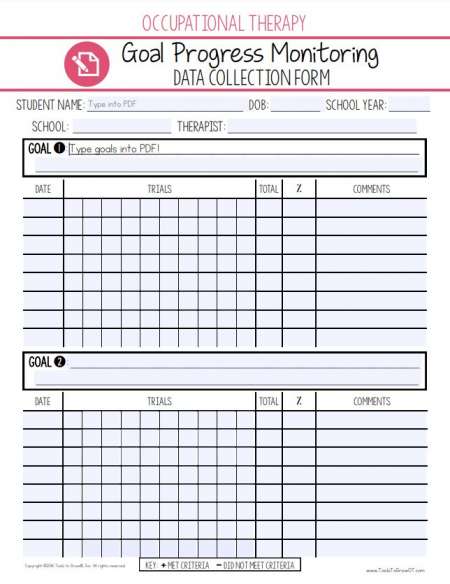
Treatment is rarely static. Ongoing monitoring ensures the approach remains effective as the condition changes.
Why Follow-Ups Matter
- Track progress and recovery
- Adjust dosage or methods if needed
- Identify side effects early
- Improve long-term outcomes
Open communication with healthcare providers is essential throughout the process.


Understanding Risks and Expectations
Every treatment carries potential risks and benefits. Being informed helps patients make confident decisions.
What Patients Should Know
- Expected results and timelines
- Possible side effects
- Recovery requirements
- Signs that need medical attention
Clear expectations reduce anxiety and improve cooperation with care plans.
Frequently Asked Questions (FAQs)
1. How do I know which treatment is right for me?
A healthcare professional determines the most suitable treatment based on diagnosis and individual factors.
2. Can one condition require multiple treatments?
Yes, many conditions are managed using a combination of medical, therapeutic, and lifestyle approaches.
3. Is treatment always necessary for mild conditions?
Some mild conditions resolve on their own, but medical guidance helps avoid complications.
4. How long does treatment usually last?
Duration varies widely depending on the condition, response, and overall health.
5. Can treatment plans change over time?
Yes, treatments are often adjusted based on progress or new health information.
6. What should I do if a treatment causes side effects?
Report side effects promptly so adjustments can be made safely.
7. Does following treatment instructions really matter?
Yes, adherence significantly improves effectiveness and reduces risks.
Treatment works best when it is timely, personalized, and supported by healthy habits—together, these elements form the foundation for effective care and lasting recovery.