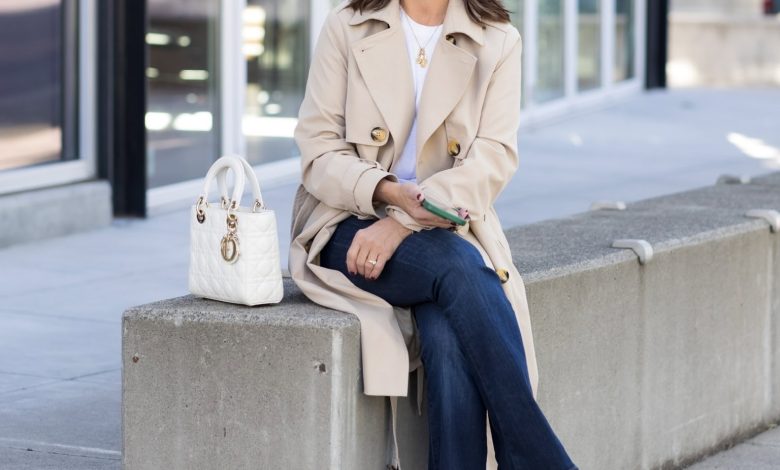
What Fashion Really Represents
Fashion is more than clothing—it’s a form of self-expression shaped by culture, lifestyle, and personality. While trends change rapidly, true style reflects confidence and authenticity. Dressing well isn’t about owning more clothes; it’s about choosing pieces that align with who you are and how you live.
Understanding Personal Style
Personal style develops over time through experimentation and awareness. It balances comfort, function, and visual appeal.
Elements That Define Personal Style
- Preferred colors and patterns
- Clothing silhouettes that flatter your body type
- Lifestyle needs such as work, travel, or casual wear
- Cultural and personal influences
Knowing these elements makes shopping easier and outfits more cohesive.
Building a Versatile Wardrobe
A versatile wardrobe focuses on quality, flexibility, and longevity rather than constant trend-chasing.
Essential Wardrobe Staples
- Well-fitted jeans or trousers
- Neutral tops that mix easily
- A tailored jacket or blazer
- Comfortable yet stylish footwear
- Season-appropriate outerwear
These basics create multiple outfits with minimal effort.
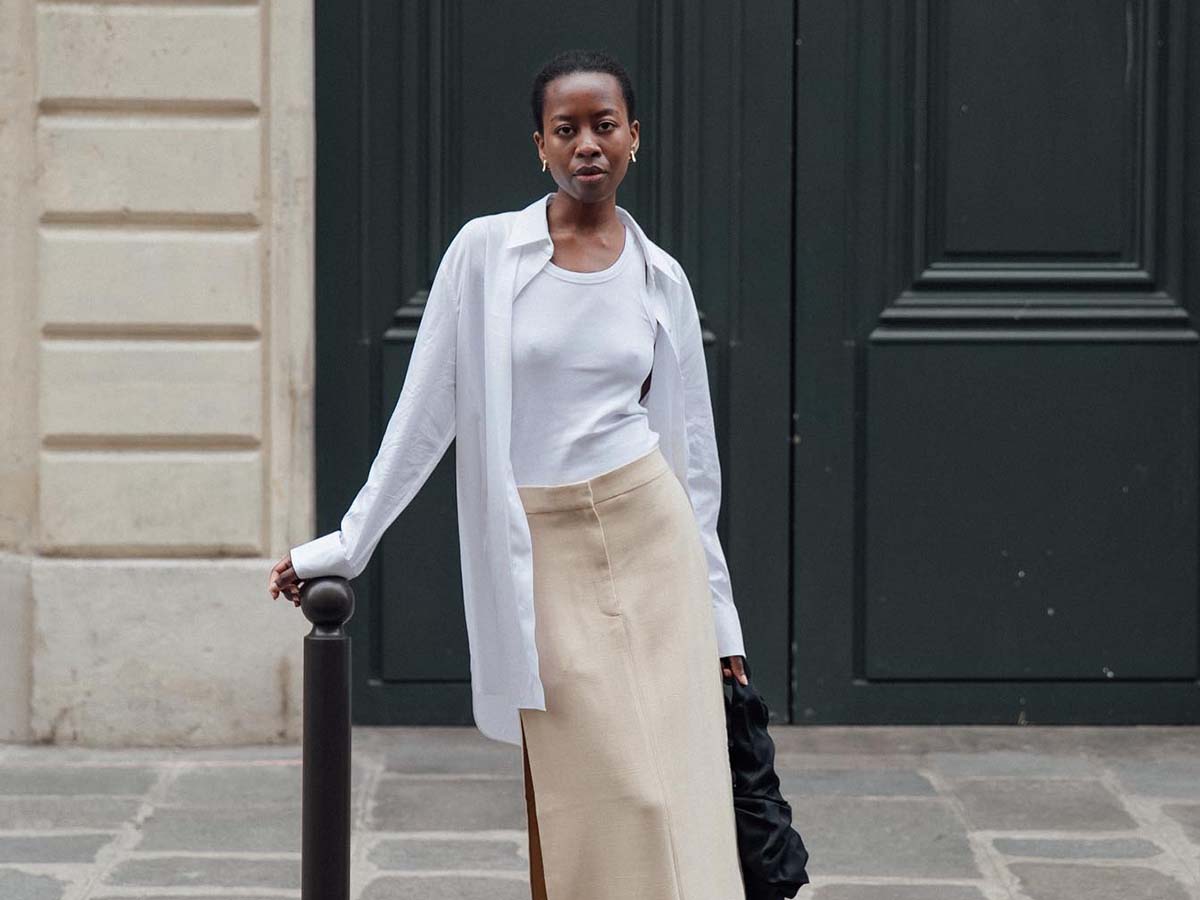
Fashion Trends vs. Timeless Style
Trends bring freshness, but timeless pieces ensure longevity. The key is balance.
How to Use Trends Wisely
- Incorporate trends through accessories
- Avoid overinvesting in short-lived styles
- Choose trends that suit your existing wardrobe
- Focus on fit rather than hype
Timeless style remains relevant regardless of seasonal changes.
The Importance of Fit and Fabric
No design looks good without the right fit. Proper tailoring can elevate even simple outfits.
Why Fit Matters
- Enhances body proportions
- Improves comfort and confidence
- Creates a polished appearance
Fabric Choices to Prioritize
- Natural fibers for breathability
- Durable materials for everyday wear
- Blended fabrics for easy maintenance
Quality fabrics not only look better but also last longer.
Sustainable Fashion Choices
Sustainability is becoming an essential part of modern fashion. Thoughtful choices reduce waste and support ethical practices.
Ways to Shop More Sustainably
- Buy fewer, better-quality items
- Support ethical and local brands
- Choose timeless designs
- Care for clothes properly to extend lifespan
Sustainable fashion benefits both personal style and the environment.
Dressing for Confidence, Not Approval
Fashion should serve you, not pressure you. When clothing aligns with comfort and personality, confidence follows naturally.
Confidence-driven style:
- Feels effortless
- Reflects individuality
- Adapts to different settings
- Evolves over time
The best outfit is one that makes you feel comfortable and self-assured.
Frequently Asked Questions (FAQs)
1. How can I develop my own fashion style?
Start by observing what you feel best wearing and gradually refine your choices through trial and reflection.
2. Is it necessary to follow fashion trends?
No. Trends are optional and should only be adopted if they suit your personal style.
3. How many clothes should a functional wardrobe have?
There’s no fixed number—focus on versatility and regular use rather than quantity.
4. Does expensive clothing always look better?
Not always. Fit, fabric, and styling matter more than price.
5. How can I look stylish with a limited budget?
Invest in basics, shop thoughtfully, and prioritize fit over brand names.
6. What role do accessories play in fashion?
Accessories add personality and can transform simple outfits effortlessly.
7. How often should I update my wardrobe?
Update gradually based on lifestyle changes, wear and tear, or evolving preferences.
Fashion is a personal journey shaped by confidence, creativity, and conscious choices—when approached thoughtfully, it becomes both practical and empowering.