Frizzy hair can be difficult to manage, especially when humidity, dryness, or damage come into play. If your hair feels rough, dry, or unmanageable, incorporating a hair mask for frizzy hair into your routine can make a world of difference. But the question remains, how often should you actually use it? Let’s find out how to create a balanced routine that restores smoothness, softness, and shine without weighing your hair down.
Understanding Why Hair Gets Frizzy
Frizz occurs when the outer layer of your hair (the cuticle) lifts due to dryness, damage, or lack of moisture, allowing external humidity to penetrate. This leads to puffiness, roughness, and flyaways. Using heat styling tools, chemical treatments, or harsh shampoos can further deplete natural oils, worsening frizz.
That’s where a hair mask for frizzy hair steps in; it replenishes moisture, smooths the cuticle, and strengthens the hair from within.
How Hair Masks Help Manage Frizz
A well-formulated hair mask does much more than a regular conditioner. It penetrates deeper into the hair fibre to provide intense nourishment and hydration. Here’s how it helps:
- Deep Moisturisation: Restores lost hydration, reducing dryness and frizz.
- Improved Smoothness: Helps the cuticle lie flat for a sleek finish.
- Damage Repair: Reverses effects of heat, colouring, or environmental stress.
- Enhanced Shine: Revives dull, lifeless hair with a healthy glow.
For best results, look for ingredients like argan oil, shea butter, coconut oil, glycerin, and keratin, which deeply condition and lock in moisture.
How Often Should You Use a Hair Mask for Frizzy Hair?
The ideal frequency depends on your hair’s texture, level of dryness, and overall health:
- For Extremely Dry or Damaged Hair: Use 2–3 times a week for intensive repair.
- For Moderately Frizzy Hair: Once a week is enough to maintain smoothness. Try Kérastase’s Discipline Maskeratine Mask, which provides intense hydration and makes your hair smooth.
- For Oily or Fine Hair: Once every 10–14 days to avoid greasiness.
Avoid overusing masks, as too much product can weigh down your hair and make it feel heavy. Always follow with a gentle rinse to remove excess residue.
How to Use a Hair Mask Effectively
- Start with clean hair: Wash your hair with a mild, sulphate-free shampoo. Take your pick from Kérastase’s range of sulphate-free shampoos, which gently cleanse without stripping away natural oils.
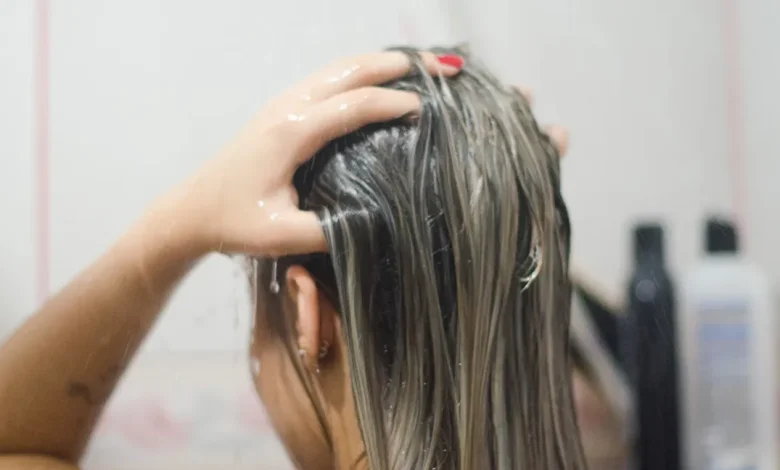
- Apply evenly: Distribute the mask from mid-lengths to ends.
- Leave it on: Let it sit for 5-10 minutes (or as directed) to allow absorption.
- Rinse thoroughly: Use cool or lukewarm water to seal the cuticle.
- Follow with a serum: Apply a lightweight anti-frizz serum to lock in moisture.
Tips to Prevent Frizz
- Avoid hot water while washing your hair.
- Use a microfibre towel or soft cotton T-shirt to dry your hair.
- Limit heat styling tools and always use a heat protectant spray.
- Sleep on a silk pillowcase to minimise friction and breakage.
Using a hair mask for frizzy hair is one of the most effective ways to combat dryness, dullness, and flyaways. With consistent care, once or twice a week depending on your needs, you’ll notice visibly smoother, healthier, and more manageable hair. Pair your mask with a nourishing shampoo and leave-in conditioner to complete your frizz-fighting routine and achieve salon-smooth results at home.
For a more personalised experience in finding the perfect hair mask for frizzy hair, why not take a hair quiz by Kérastase? It’s a fun way to match your unique hair traits with the right products, ensuring your hair gets the best care possible.