Plasma donation plays an essential role in supporting the healthcare system. From helping patients with rare disorders to contributing to treatments for burns, shock, and immune deficiencies, donated plasma has a powerful impact. In New Jersey, the growing number of plasma donation centers reflects the increasing awareness of the need for these life-saving contributions. These centers not only serve as collection points but also offer carefully controlled environments where donors can give safely and reliably.
Plasma is a component of blood that carries proteins and antibodies used in numerous medical therapies. Donation centers in New Jersey are regulated and equipped with staff who specialize in ensuring the safety of both donors and the plasma collected. These facilities handle the entire process—from screening and registration to collection and post-donation care. In addition to the clinical importance, many people are drawn to plasma donation because of the compensation offered. This combination of medical service and donor support makes plasma donation centers in NJ a valuable resource for individuals and communities alike.
Many centers in the state operate under nationally recognized networks, offering consistency in procedures and high standards for sanitation and technology. Donors are typically screened for health history, blood pressure, weight, and hemoglobin levels. The process is designed to prioritize the donor’s well-being while maintaining the integrity of the plasma used in medical products. The demand for plasma remains steady, and New Jersey’s accessible centers help meet that demand by encouraging regular, qualified donors to contribute.
Understanding the Donation Process and Its Impact
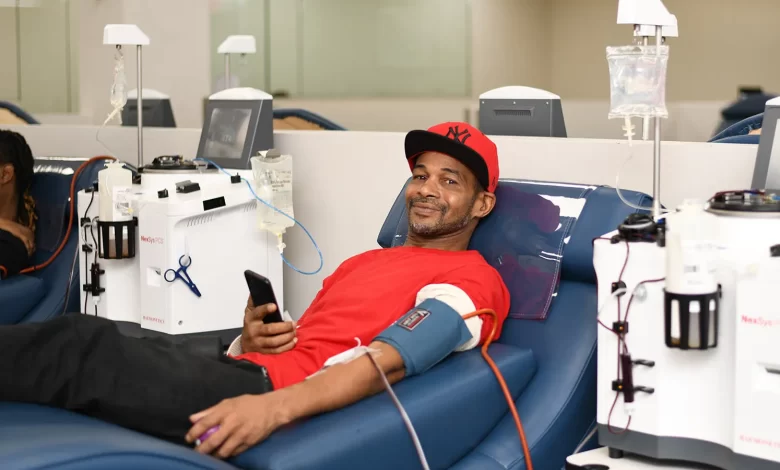
When visiting plasma donation centers in NJ, donors are introduced to a process that is structured but not overly complex. After completing health screenings and paperwork, donors are guided through a procedure called plasmapheresis. This process involves drawing blood, separating the plasma using specialized equipment, and returning the remaining blood components to the body. While the initial visit may take a little over an hour, return visits typically become more efficient as the donor becomes familiar with the routine.
The safety of the process is ensured through sterile, single-use equipment and continuous monitoring by trained professionals. Donation centers often invest in modern machinery that shortens the collection time and enhances the comfort of the experience. For new donors, medical staff are available to answer questions and provide reassurance throughout the appointment. Many donors describe the environment as clean, organized, and professional, with staff attentive to their needs.
Frequent plasma donors in New Jersey often find satisfaction in knowing their contributions support the production of medications for people living with chronic conditions such as hemophilia, primary immunodeficiency, and other life-threatening diseases. These treatments cannot be created synthetically, which makes human plasma donation critical. In addition to their health benefits, these donations contribute to public health preparedness, especially during medical crises and pandemics.
Centers across NJ may offer loyalty programs or bonuses to encourage repeat visits. While compensation varies, regular donors often appreciate both the financial support and the opportunity to do something meaningful. College students, part-time workers, and others with flexible schedules may find it a manageable and rewarding way to give back. With appointments available throughout the week, plasma donation can easily fit into different lifestyles and routines.
How NJ Plasma Centers Maintain Quality and Compliance
Plasma donation centers in NJ operate under the guidance of strict federal and state regulations. The U.S. Food and Drug Administration (FDA) and other regulatory bodies set requirements for donor eligibility, sanitation, and storage procedures. Most facilities in New Jersey are affiliated with national or international networks, which means they must also comply with internal protocols and undergo regular audits to maintain certification.
These facilities are designed for efficiency, but not at the expense of safety. Each center uses clean rooms, climate-controlled environments, and secure transportation systems to move plasma to processing labs. The plasma collected is frozen quickly to preserve its properties before it is transported. Any plasma that fails to meet health or safety criteria is discarded, reinforcing the emphasis on medical integrity.
Employees working in these centers receive specialized training in handling biological materials, understanding donor needs, and managing complex machinery. The focus is on both technical expertise and human interaction. Many donors return to specific centers in New Jersey because they feel respected and well cared for during each visit. Cleanliness, respect for privacy, and professional communication are common traits across the state’s donation facilities.
Regular updates to screening procedures, informed by advances in medical science and regulatory changes, ensure that plasma donation remains both safe and effective. Centers monitor donor health over time, and repeat donors are often able to discuss results or ask questions during future visits. This level of monitoring not only protects the individual donor but also ensures the quality of plasma used in pharmaceutical development.
In addition to physical safety, centers often emphasize educational outreach. They help donors understand the importance of consistency and the science behind plasma usage. This awareness fosters a more committed donor base and strengthens the role of donation in the healthcare ecosystem.
Access and Availability Throughout New Jersey
The availability of plasma donation centers in NJ is widespread, making it easy for donors across the state to participate. Urban areas such as Newark, Jersey City, and Trenton feature well-established centers, while suburban communities in Edison, Cherry Hill, and Toms River have expanded access to meet local demand. These centers often accept appointments and walk-ins, allowing for flexibility based on donor preference.
Many centers are located near public transportation lines or in areas with accessible parking, making them convenient for donors without personal vehicles. Their hours of operation typically include evenings and weekends, which accommodate the varied schedules of working individuals, students, and caregivers. In some cases, mobile collection units or satellite locations are used to bring services to underserved communities or large events.
As part of their outreach efforts, centers frequently partner with local health organizations, colleges, and community groups. These partnerships help increase awareness, improve education around plasma donation, and identify individuals who may be eligible and interested. Awareness campaigns often highlight the medical necessity of plasma-based treatments and the unique role donors in New Jersey play in global healthcare.
Donors who continue giving over time often build relationships with the staff and feel a sense of pride in their contribution. In many cases, these relationships help encourage consistency, which is vital in maintaining a reliable supply of plasma. The centers themselves become part of the local health infrastructure, trusted not only for the services they provide but for the supportive environments they foster.
Plasma donation centers in NJ represent a meaningful intersection of science, healthcare, and community service. They operate with a commitment to safety, quality, and respect, providing a vital link between individual donors and patients in need across the world. By offering structured, accessible, and medically supervised environments, these centers invite more people to participate in a cause that carries lasting impact.