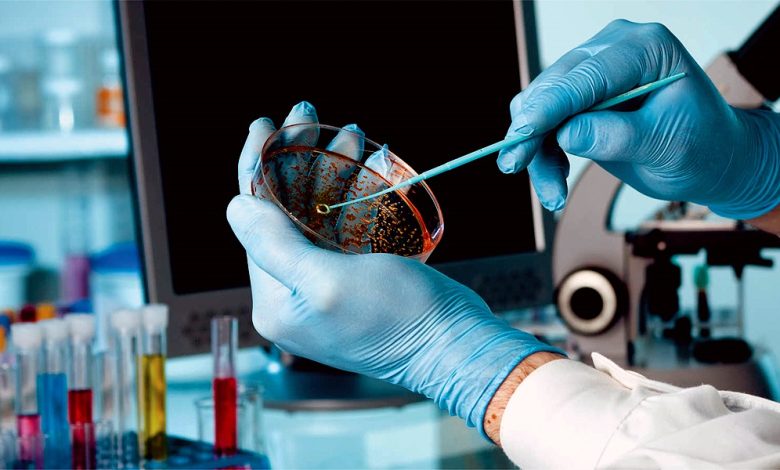
In the modern world, health is one of the most significant priorities that people have. Routine check-ups and investigations are part of proper hygiene practices and help with the early identification of any underlying conditions that may be present. Diagnostic centres are those centres where people get themselves tested and undergo various checks so as to manage and diagnose different diseases. This article will help you to know some of the tests that are normally conducted in diagnostic centres, their relevance and what is normally involved during the process.
Understanding Diagnostic Centres
A diagnostic centre is a centre that employs qualified staff and efficient equipment to conduct all sorts of tests. These centres are critical in dispensing right information that helps the doctors to diagnose diseases and treat patients. From common Blood test to MRI, CT Scan and other imaging procedures, diagnostic centres are a necessity in the healthcare system.
Common Diagnostic Tests
- Blood Tests
A blood test is one of the most frequent tests that you are likely to encounter at a diagnostic centre. A blood test will tell the doctor a lot about the person’s health. Some of the diseases that the tests can help identify are diabetes, high cholesterol, anemia, and infections.
- Complete Blood Count (CBC)
A CBC is a simple blood test that helps the doctor determine your overall blood count, haemoglobin levels, platelet levels, and white blood cell levels. Through it, one is able to determine infections, anemia, or other blood related complications.
- Lipid Profile
A lipid profile indicates the amount of cholesterol and other fats present in your body in the form of fluids. It is very useful in evaluating your risk level of cardiovascular diseases.
- Blood Glucose Test
This test is used to determine how much glucose is in your blood and is used in testing and managing of diabetes.
- Imaging Tests
Imaging tests are another type of services that are performed in diagnostic centres. These tests give very clear picture of what is contained inside your body, they assist doctors in the diagnosis of various illnesses.
- X-rays
X-rays are a form of electromagnetic radiation that produces pictures of your internal anatomy. Some of the most common uses of radiography include the diagnosis of bone fractures, infection, and tumors.
- Ultrasound
An ultrasound is a scan that employs ultrasonic waves to provide pictures of structures inside the body. It is often used during pregnancy to monitor the development of fetus though it can also be used on organisms such as liver, kidney and even the heart.
- MRI (Magnetic Resonance Imaging)
MRI employs powerful magnets and radio frequencies to take clear pictures of the interior of your body. MRI is especially used for soft tissue imaging like the head, spinal column and muscles etc.
- Other Common Tests
Apart from blood and imaging tests, the centres provide other tests for diagnosing and managing diseases and conditions.
- Electrocardiogram (ECG)
ECG measures the electrical impulses of the heart and is used in diagnosing ailments namely arrhythmia, heart attacks and other cardiovascular diseases.
- Spirometry
Spirometry is a test that is conducted to assess the capability of your respiratory system. They use it to diagnose diseases such as, asthma and chronic obstructive pulmonary disease (COPD).
- Colonoscopy
A colonoscopy is a medical procedure that aims at inspecting the lining of the colon and rectum. These are inflammation of the colon, diverticulosis, colon polyps and colon cancer, commonly diagnosed through this test.
Importance of Diagnostic Tests
There are several reasons why diagnostic tests are important. It can bring detection of diseases at an early stage which often enhances the probability of the success of treatment. Ideally, early detection means that it can be managed more effectively, and in some cases, eradicated completely. Furthermore, it showed that using diagnostic tests frequently also enables tracking of existing diseases, so modifications to the treatment could be done when necessary.
Choosing a Clinical Diagnostic Centre
There are various aspects to consider when selecting a clinical diagnostic centre. First, one should confirm that the centre is certified and has a good reputation. The function of accreditation is to ensure that the centre provides quality and safe services to the clients.
Second, it involves the consideration of service portfolios available to clients. A good clinical diagnostic centre, therefore, should have a complete range of tests including simple blood tests, and intricate imaging and scanning services. This means that you are in a position of getting all the tests you require from one centre thus it will save your time.
Third, it is also important to consider the qualifications and experience of the staff rendering the services. The people working in the diagnostic centre should also have adequate experience to carry out different tests. This is to make sure that the tests are conducted efficiently and with minimal health risks.
Preparing for Diagnostic Tests
Preparation for Diagnostic tests differ from one test to the other. Here are some general guidelines:
- Blood Tests: For some blood tests, you may be required to fast for some hours before the test. Always adhere to the doctor’s prescriptions.
- Imaging Tests: In tests such as MRI or CT scans, you might require removing metal objects on your body. You may also be asked to rinse your mouth with a contrast solution before the start of the examination.
- Other Tests: In cases like colonoscopy, you may have to be on a low fibre diet and endure a bowel wash down or a Gastrografin. Your doctor will give you strict guidelines on what you should and should not do.
Conclusion
It might seem intimidating to go in for a diagnostic test, but knowing how the procedure works aims to demystify all the confusion. Diagnostic centres occupy an important place in the system of health care services, as they give the necessary information to diagnose different ailments and to carry out the respective treatment. Selecting an appropriate clinical diagnostic centre and following doctors’ prescriptions and recommendations will help you in getting precise results on time.
Diagnostic tests are essential in preventive health care since they are conducted frequently. They help in diagnosing ailments, tracking their development, and thus improve the wellbeing of people. From simple blood tests to an MRI scan, the procedures that diagnostic centres include are vital for keeping the population healthy.